Distraction
The dopamine detox myth: what neuroscience actually says
You can't flush dopamine from your brain. Here's what a dopamine detox really is, how dopamine works, and the habit changes that do help.
Somewhere between a psychologist's blog post and your social feed, the dopamine detox got weird. People started skipping food, conversation and eye contact to "reset" their brains. Harvard Health's Peter Grinspoon described some of them avoiding exercise, music and socializing, all in the name of lowering a chemical that none of it lowers.
You can't detox from dopamine. It isn't a toxin sitting in your tissues. Your brain makes it every second you're alive.
The original idea was much more modest, and a version of it is worth trying.
What does dopamine actually do?
The popular story says dopamine is the pleasure chemical: great food, a rush of dopamine, happiness. Researchers moved past that years ago.
In 1997, Wolfram Schultz and colleagues reported in Science that dopamine neurons in the midbrain track reward prediction errors, the gap between the reward you expected and the one you got. A surprise reward makes them fire. Once you've learned that a cue predicts the reward, the firing shifts to the cue.
Think of your phone buzzing. The spike comes at the buzz, before you know what the message says. If it's spam, the signal dips. Dopamine works partly as a teaching signal, updating your sense of where something good might turn up.
Wanting and liking are also separate systems. Kent Berridge and Terry Robinson's work separates incentive salience (the urge to pursue something) from hedonic impact (actually enjoying it). Dopamine is tied to the wanting side.
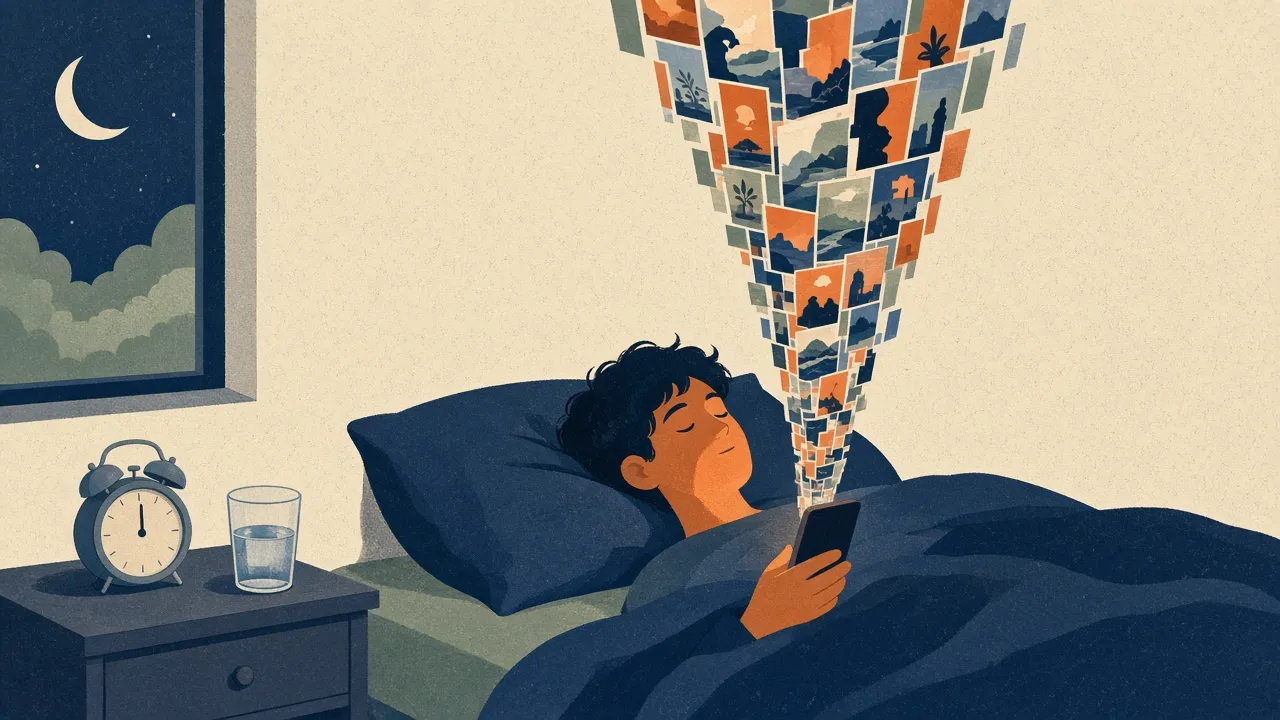
That helps explain the two-hour scroll long after the videos stopped being fun. The wanting keeps going even when the liking has left.
Dopamine also matters for movement, which is why Parkinson's disease, where dopamine-producing cells are lost, affects it so heavily. Draining it isn't something you'd want to do.
Where did the dopamine fast come from?
In August 2019, Dr. Cameron Sepah published "The Definitive Guide to Dopamine Fasting 2.0." It spread fast, and so did the misreadings. His own post opens by listing what it isn't: reducing dopamine, avoiding all stimulation, or skipping social contact and exercise.
What it is: a technique for cutting back on specific impulsive behaviors, built on two standard CBT tools.
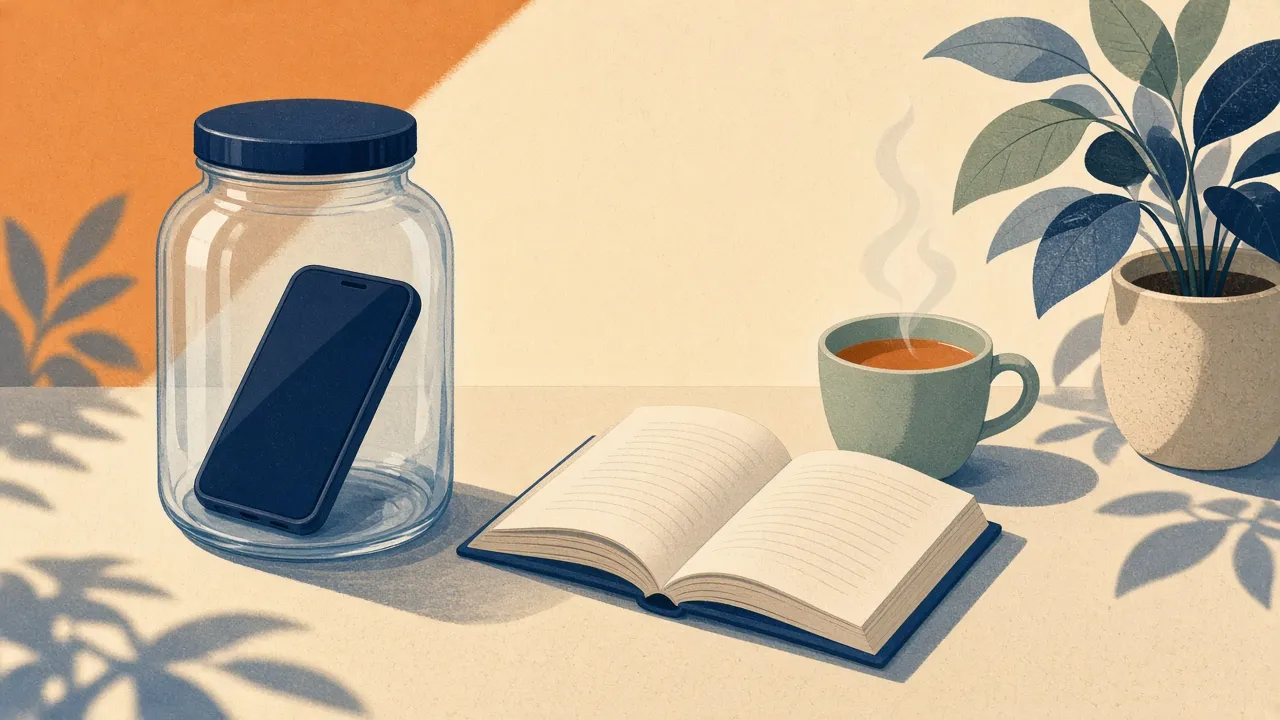
- Stimulus control: make the trigger harder to reach, like putting your phone away or using a blocker.
- Exposure and response prevention: notice the urge, don't act on it, and let it pass.
Sepah told the New York Times that dopamine was "a catchy title" and not meant literally, according to Harvard Health's write-up. His suggested schedule is gentle: one to four hours at your evening, one weekend day, one weekend per quarter and a week a year. He also says to pick only the behaviors that cause you distress or get in the way of your life.
Grinspoon's Harvard Health critique makes the key point. Dopamine doesn't drop when you avoid overstimulating things, so the "fast" doesn't lower it. The healthy parts, like less screen time, still make sense.
Why a break from your phone can still help
If it isn't chemistry, why does stepping away feel different? One popular explanation comes from psychiatrist Anna Lembke, who wrote Dopamine Nation (2021).
She describes pleasure and pain as a balance that wants to stay level. Every tip toward pleasure triggers a reflexive correction, and then the balance tips a little toward pain. That's the restless dip after you put the phone down.
With repeated exposure, the pleasure gets weaker and shorter and the pain-side rebound gets stronger and longer. Lembke calls this neuroadaptation. Over time you're reaching for the feed just to feel normal, not to feel good.
It's a useful metaphor, and Lembke is clear that it's only a metaphor. Her four-week approach comes from her clinical experience with patients, mostly with substances and heavy compulsive use. It isn't a controlled trial of casual scrolling. Treat it as a reasonable experiment, not a proven reset.
Does a dopamine detox work?
It depends what you mean.
A day in a quiet room won't undo years of habit. The moment your phone is back on, the same cues are waiting. But targeted stimulus control, where you remove the specific triggers for one habit, has a real logic behind it.
- Myth: dopamine is a toxin you can drain.
- Reality: it's a neurotransmitter your brain makes constantly. Avoiding stimulation doesn't lower it.
- Myth: you have to avoid all pleasure, talking and food.
- Reality: Sepah's version targets only the behaviors causing you trouble.
- Myth: willpower alone beats an algorithmic feed.
- Reality: friction and environment do more of the work.
When people feel calmer after time away from screens, they're probably getting fewer interruptions and fewer cue-driven cravings. Our guide on why you can't stop scrolling explains why feeds are so hard to put down.
How to do a dopamine detox that's actually sensible
Skip the starvation. Reshape your environment around your weakest moments.
1. Pick one or two habits
Choose where you consistently lose control of your time: short videos, news refreshing, a mobile game. Leave everything else alone. Eat, talk to people, move, go outside. You're isolating a loop, not punishing yourself.
2. Add physical friction
A screen time passcode can be tapped through in seconds. Distance is harder to argue with.
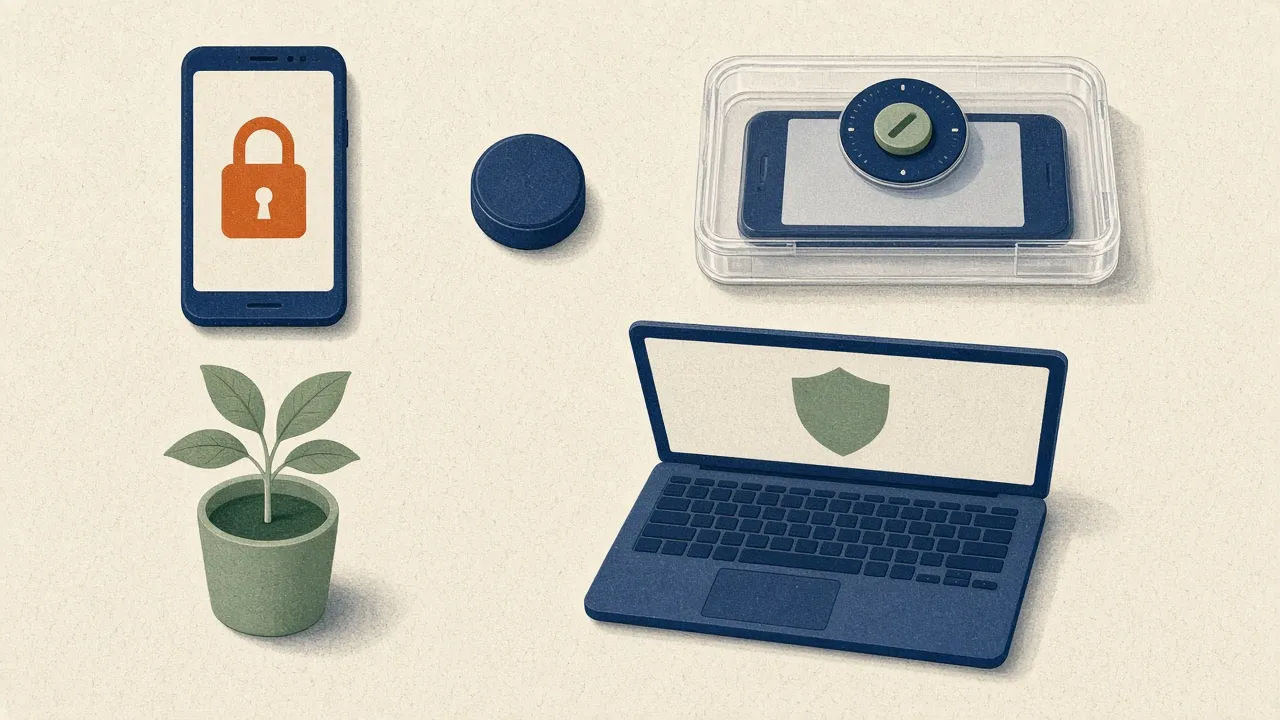
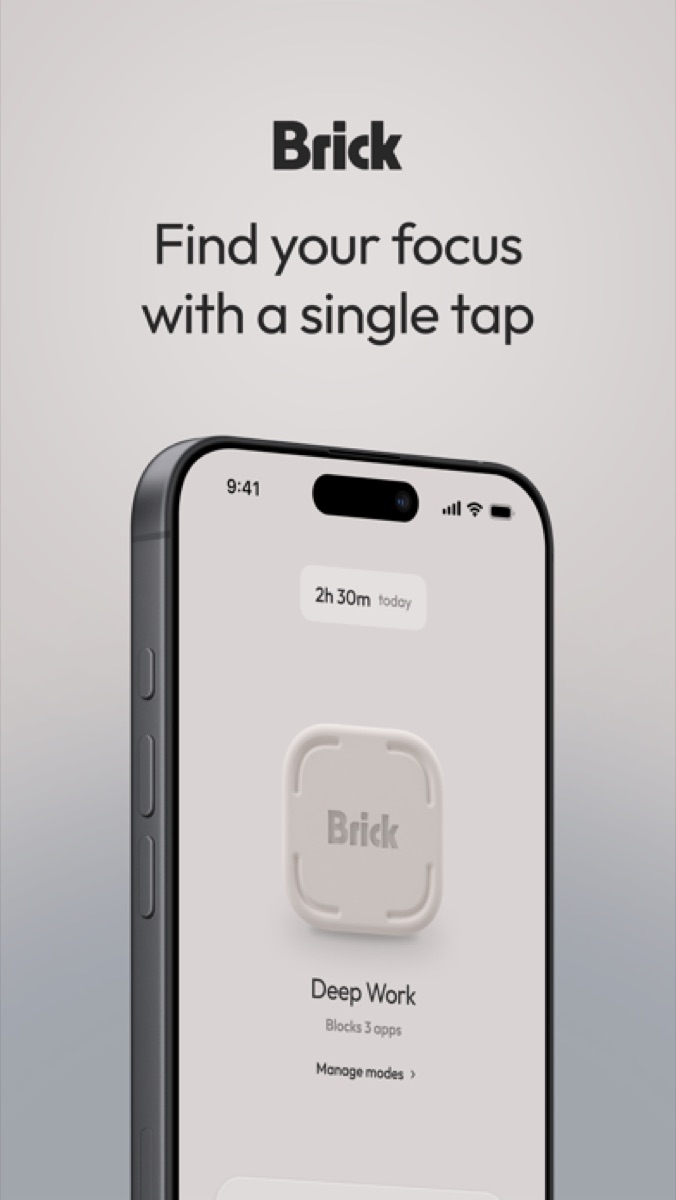
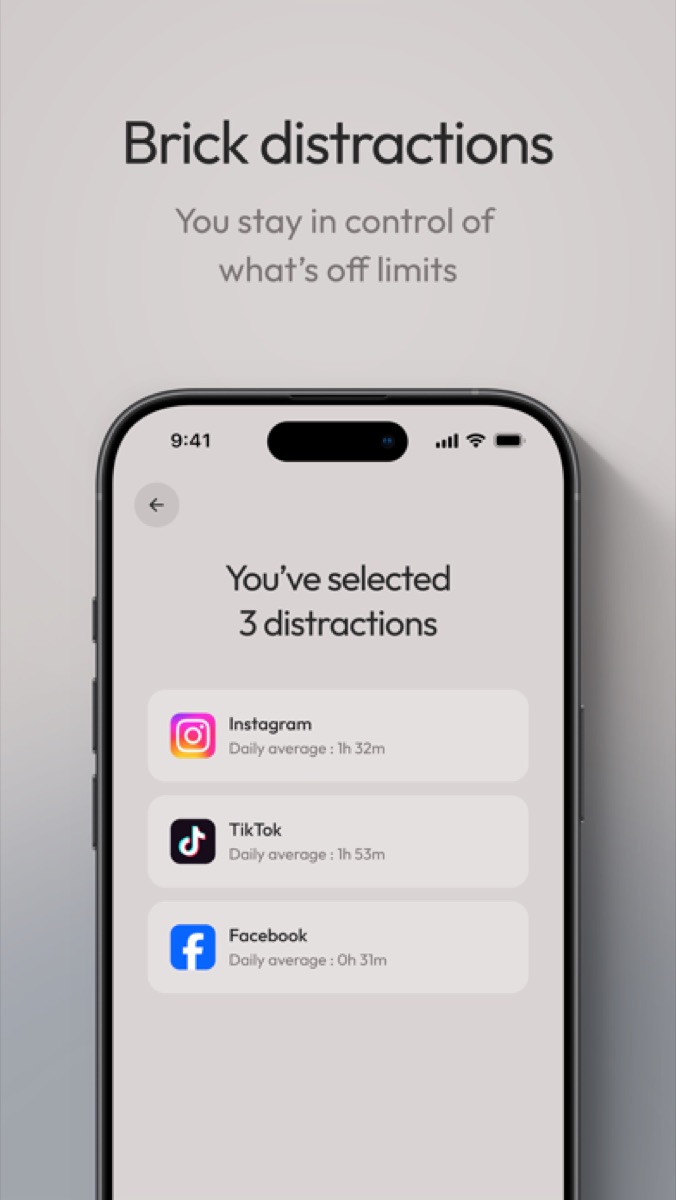
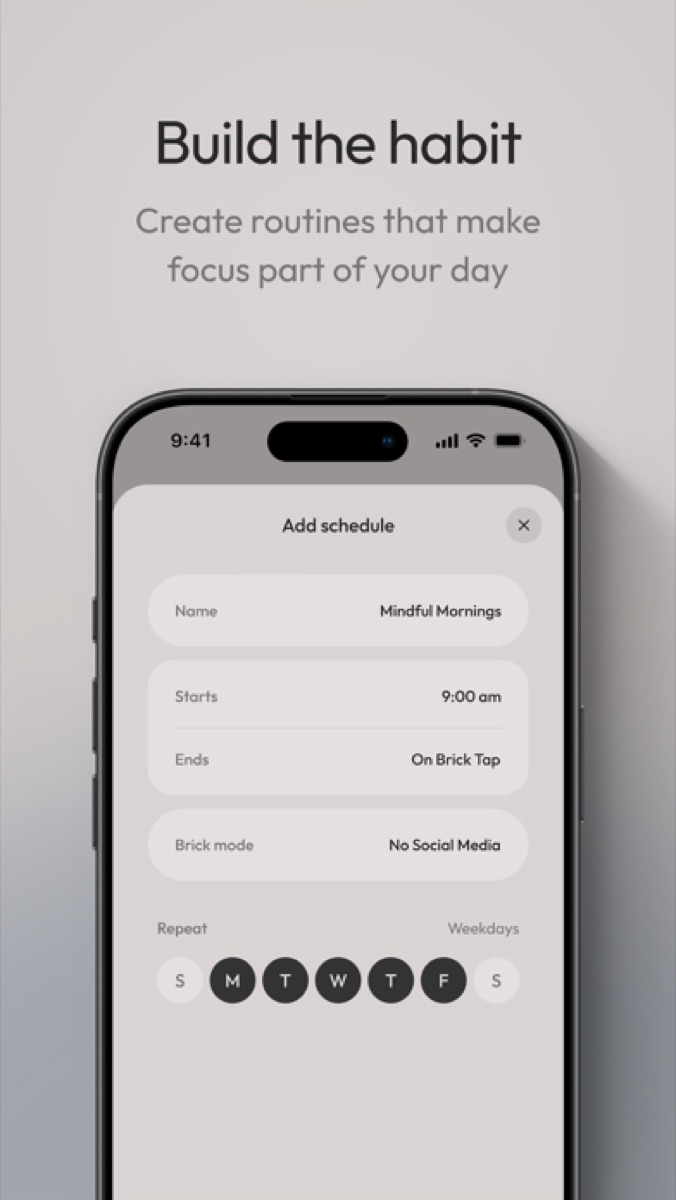
Brick is a small puck. You pick which apps to block, tap your phone on it to start, and you need the puck itself to turn things off again. Leave it at home and your phone stays locked while you're out. You can choose to keep things like Maps.
-

Brick
Brick LLC
Tap phone to the NFC puck to block chosen apps; unblocking means walking back to the puck.
Brick
Brick LLC
Tap phone to the NFC puck to block chosen apps; unblocking means walking back to the puck.
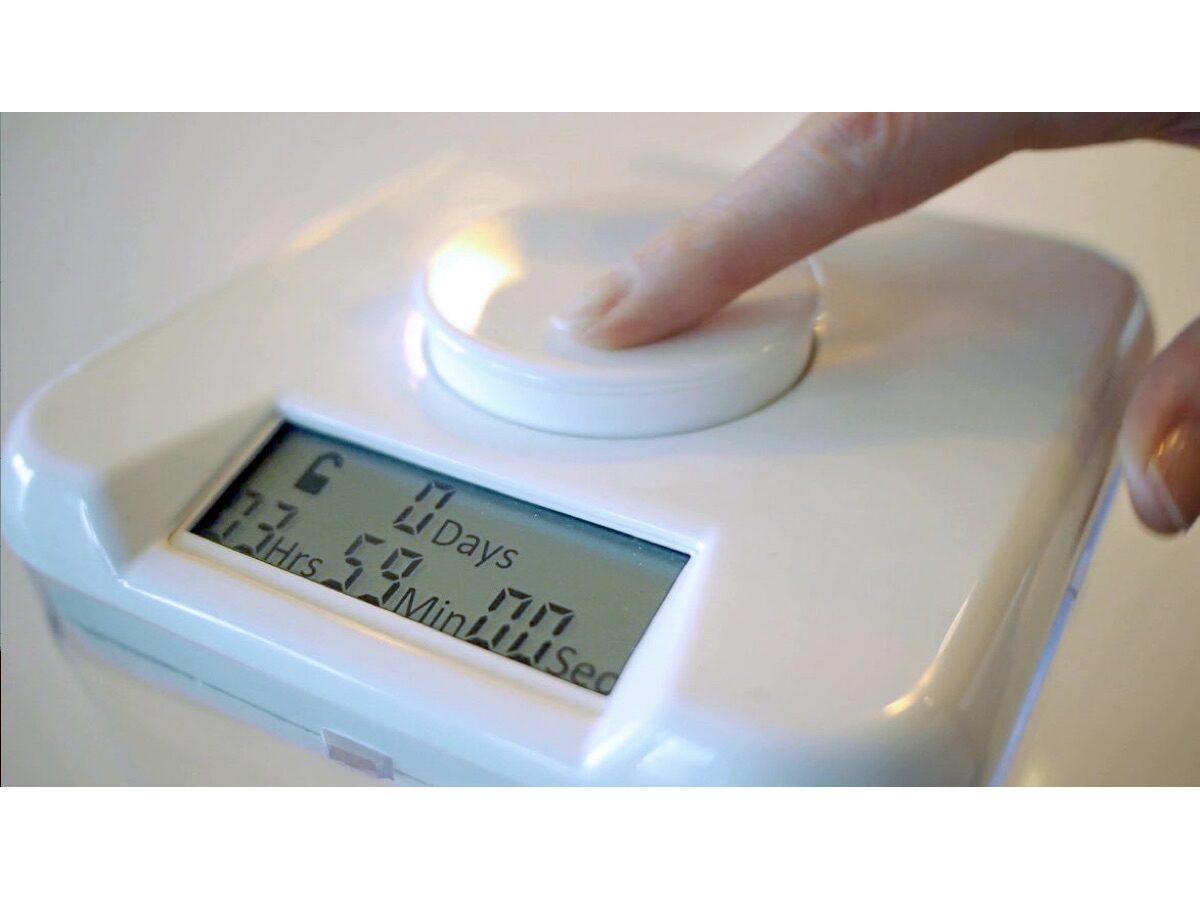
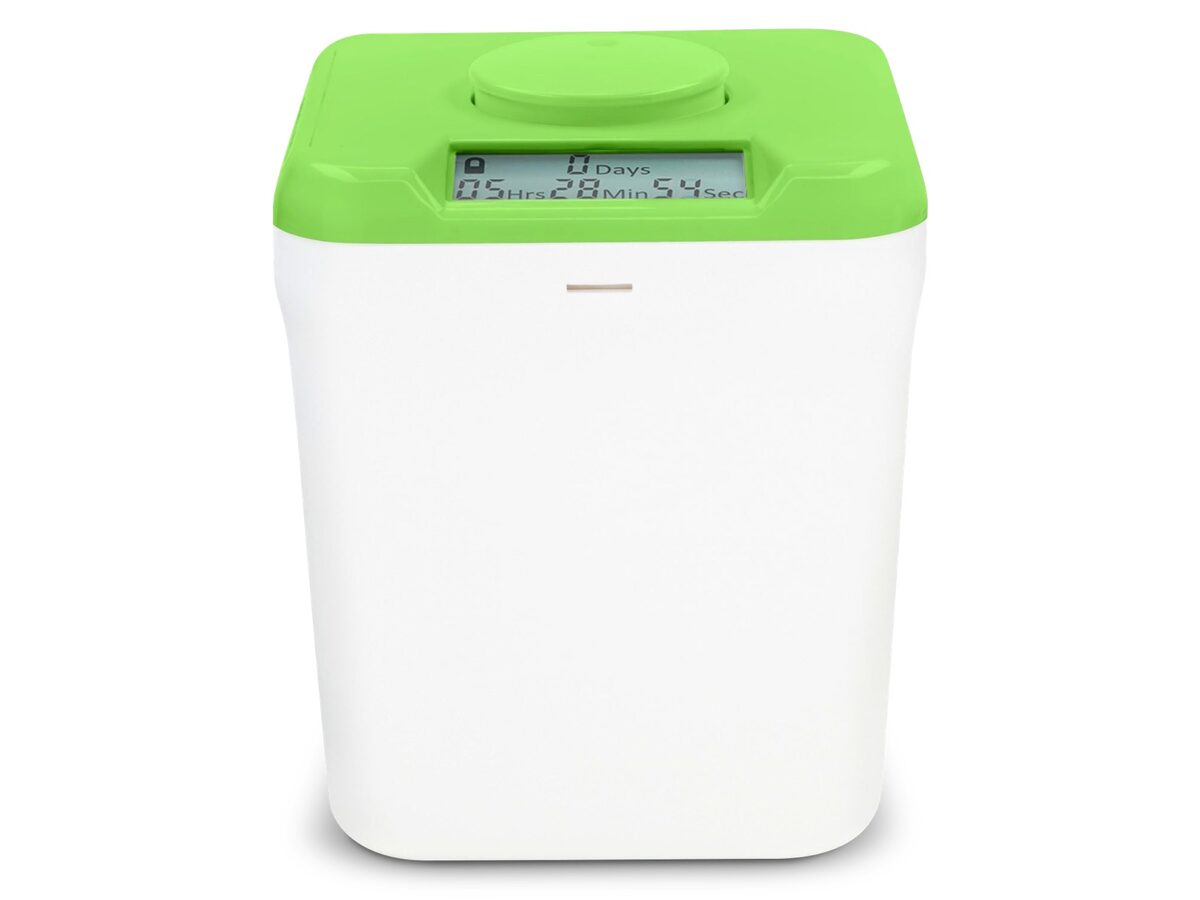
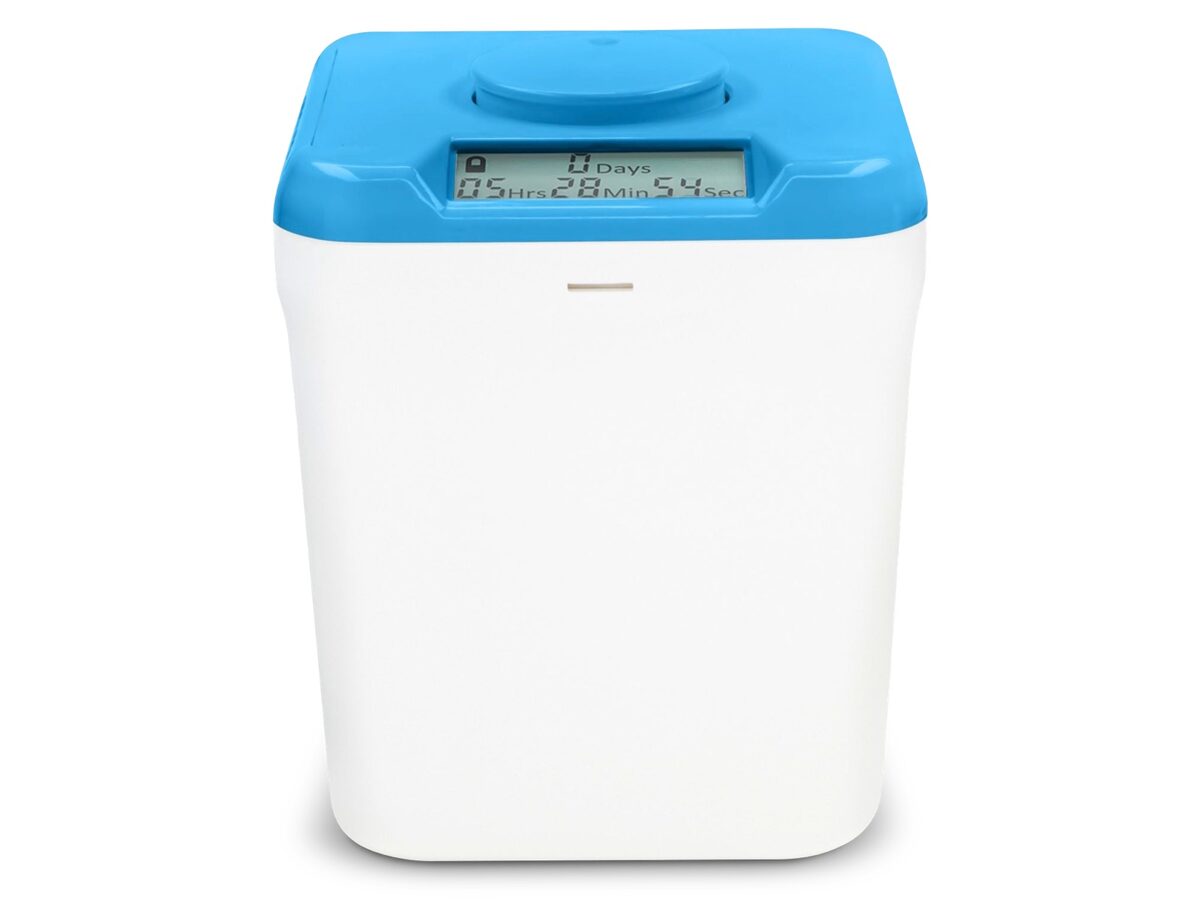
If you keep overriding software, kSafe is a lock box with a timer. The maker says it can be set from one minute to ten days, and it has no overrides once the timer is running.
-
kSafe
Kitchen Safe
Timed lock box with no override—phone stays inside until the countdown you set actually hits zero.
kSafe
Kitchen Safe
Timed lock box with no override—phone stays inside until the countdown you set actually hits zero.
Our guide to the best app blockers compares the options, and the distraction blockers category lists more.
3. Choose a timeframe you can keep
Extreme isolation isn't the answer. Try something bounded:
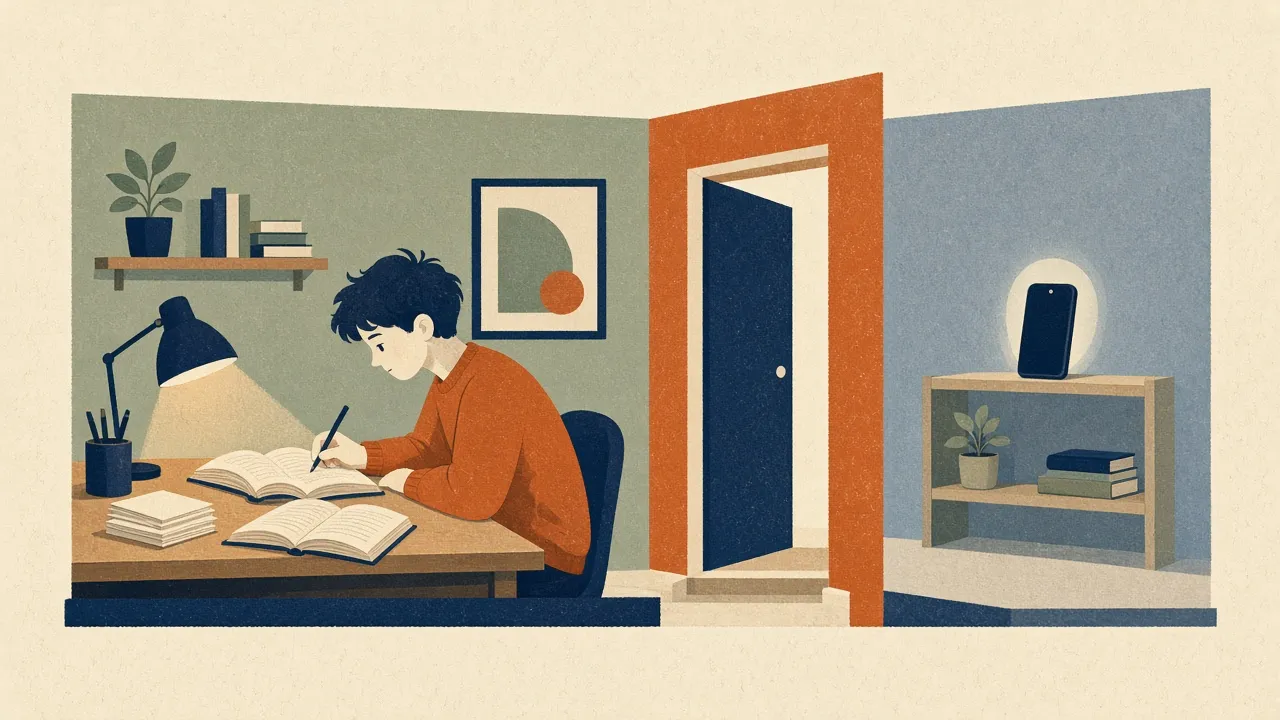
- Nightly: phone in another room from 9:00 PM to 8:00 AM.
- Weekend block: Saturday from 9:00 AM to 1:00 PM without your problem app.
- A longer reset: Lembke typically recommends about four weeks away from one specific habit, and says the first two weeks tend to feel worse before they feel better. If you try that, delete the app and tell someone. If you're dealing with something heavier than a scrolling habit, talk to a clinician rather than going it alone.
4. Practice urge surfing
When you cut off an automatic loop, you'll feel restless. Your hand will reach for an empty pocket.
That's the urge. It rises, peaks and fades, usually within minutes. Sepah describes this as "urge surfing": watching the desire come and go without giving in. Notice it, breathe, wait.
What about ADHD? Try a dopamine menu instead
Strict abstinence is hard for anyone. For people with ADHD, it can be a poor fit, though that's an argument from the research, not a proven rule.
A 2009 JAMA study led by Nora Volkow used PET imaging to compare 53 unmedicated adults with ADHD and 44 controls. The ADHD group showed lower availability of dopamine transporters and D2/D3 receptors in parts of the brain's reward pathway, including the nucleus accumbens and midbrain, and those differences were linked to inattention ratings. It was a single study of a relatively small group, and it doesn't tell you what happens when someone with ADHD cuts out stimulation.
So the sensible read is this: a plan that strips out all stimulation may be a rough fit if your reward system works differently. Starting with a specific, limited cut is gentler. If you freeze up afterward, our guide to ADHD paralysis has ways to get moving.
Enter the dopamine menu. ADDitude describes it as a list of healthy, stimulating activities you can choose from when you need a boost. Jessica McCabe of How to ADHD uses the restaurant structure, and ADHD coach Eric Tivers explains the point: separate the planning from the choosing, so you aren't inventing options when you're drained. ADDitude is clear that a menu is not a cure for ADHD and not a replacement for medication or therapy.
- Appetizers: quick things that don't pull you in, like jumping jacks, a favorite song, a snack or a warm shower.
- Entrées: longer activities, like playing an instrument, walking the dog, exercising or cooking.
- Sides: stimulation that makes a dull task easier, like white noise, a podcast, a fidget or body doubling.
- Desserts: easy to overdo, like social media, TV or solo gaming. Enjoy them on purpose, with a timer.
- Specials: occasional, bigger things that take planning, like a concert or a trip.
Post it where you'll see it, ideally on your phone's lock screen, so the options show up when you reach for the feed.
FAQ
Does a dopamine detox work?
It won't flush dopamine or change your brain chemistry in a weekend. A structured break from one compulsive habit can still help you interrupt automatic loops and give your attention some room.
How long should a dopamine fast last?
For most people, a daily window works better than a dramatic one-off: phone out of the bedroom overnight, or a few screen-free hours each weekend. Lembke typically suggests about four weeks away from a specific habit in her clinical work, but that's a bigger commitment with mixed evidence behind it.
Can you actually reset your dopamine receptors?
There's no good evidence you can do it over a weekend. Most of what we know about receptor changes comes from drug addiction research, and it isn't clear how much applies to scrolling. Sleep, exercise and consistent boundaries are still sound habits.
What is a dopamine menu for ADHD?
It's a personal list of healthy stimulation sources, organized like a restaurant menu: appetizers, entrées, sides, desserts and specials. It's meant to make good choices easier when you're low on energy. It isn't a treatment.
Sources
- A neural substrate of prediction and reward (opens in a new tab) – Science, 1997
- What is the role of dopamine in reward: hedonic impact, reward learning, or incentive salience? (opens in a new tab) – Brain Research Reviews, 1998
- Dopamine fasting: Misunderstanding science spawns a maladaptive fad (opens in a new tab) – Harvard Health Publishing, 2020
- Dopamine and the pleasure–pain balance (opens in a new tab) – Society for the Study of Addiction, 2023
- The future of addiction (podcast transcript with Anna Lembke) (opens in a new tab) – Stanford University School of Engineering
- The Definitive Guide to Dopamine Fasting 2.0 (opens in a new tab) – Cameron Sepah, 2019
- Evaluating Dopamine Reward Pathway in ADHD: Clinical Implications (opens in a new tab) – JAMA, 2009
- Your ADHD Dopamenu: Build a Dopamine Menu in 5 Steps (opens in a new tab) – ADDitude Magazine, 2026