Focus
Why can't I focus? 11 common causes and what to try
Can't concentrate and no ADHD diagnosis? 11 common causes of poor focus, what to try for each, and the signs that mean you should see a doctor.
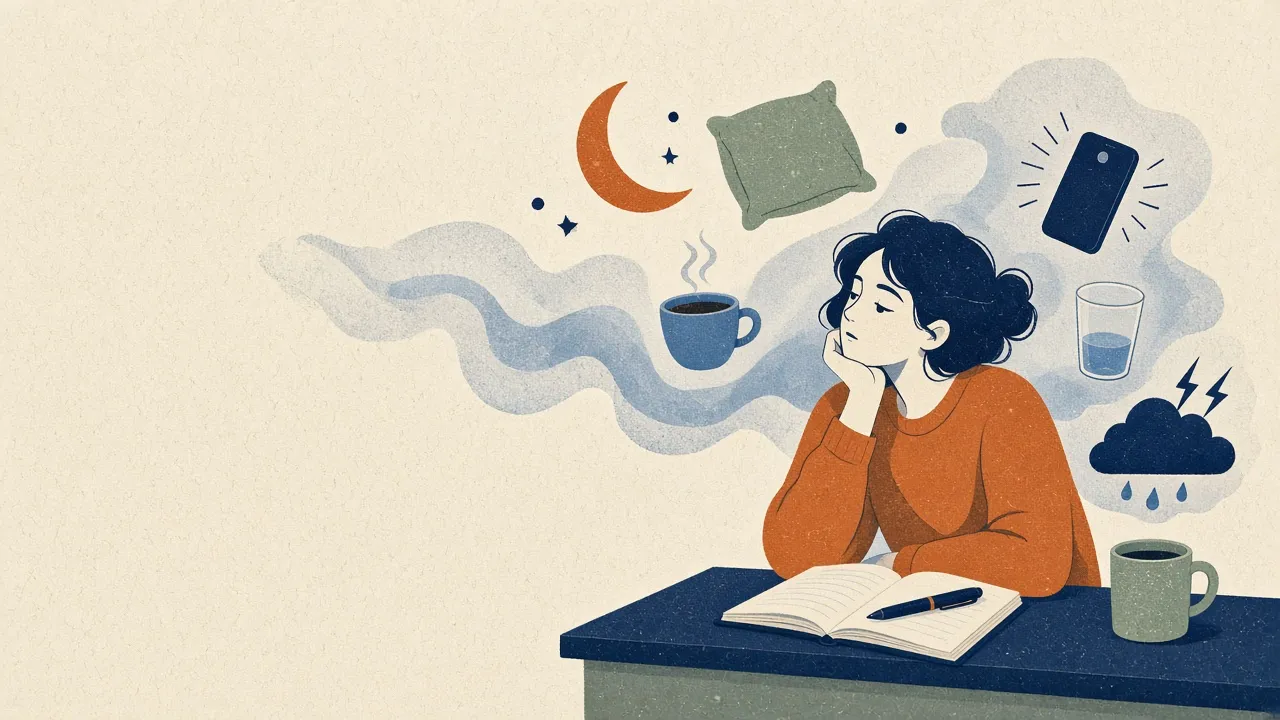
It's 9:30 AM and you're reviewing a spreadsheet. By 9:45 you've read the same three rows five times, checked your inbox twice, and googled whether low electrolytes cause brain fog. Your train of thought keeps leaving the station without you.
So you ask the blunt question: why can't I focus? And because social media treats every lapse as a symptom, you wonder about ADHD.
Maybe. But when trouble concentrating shows up suddenly, or gets worse over a few months, something else is usually going on. As we explain in ADHD or just distracted, ADHD is a neurodevelopmental condition, so symptoms are typically present from childhood. Below are eleven common causes that aren't ADHD, with research behind each and one thing to try.
1. Chronic sleep debt
Sleep loss is the most reliable way to wreck your attention, and you often can't feel it happening.
In a classic study in the journal Sleep, Hans Van Dongen and colleagues kept 48 healthy adults on 4, 6 or 8 hours in bed for 14 nights. The 4-hour and 6-hour groups showed cumulative, dose-dependent drops in performance on every cognitive task. Their sleepiness ratings barely moved after the first few days. In other words, people felt roughly fine while getting steadily worse.
What to try: Protect an eight-hour sleep window for ten nights in a row before you decide anything is wrong with your attention.
2. Stress and constant worry
Money trouble, a fight with someone, a brutal deadline. Your brain keeps scanning for threats, and that scanning has a cost.
Working memory is the mental workspace where you hold things while you use them. When part of it is busy with worry, complex tasks feel heavy and conversations slide past you. That's our reading of how stress and working memory interact, not a single study's finding, so treat it as a plausible mechanism.
What to try: Set a fifteen-minute worry window in the late afternoon. Write every pending concern on paper. Then close the notebook.
3. Depression
Depression isn't only sadness. Slowed thinking and trouble concentrating are among its core symptoms.
A meta-analysis of 113 studies in Psychological Bulletin (Snyder, 2013) found that people with major depression performed worse on tests of executive function. That covers starting tasks, switching between ideas and holding attention. If your focus dropped along with your interest in things you used to enjoy, your appetite or your energy, take that seriously.
What to try: Talk to a doctor or mental health provider about screening. Focus often improves when the mood problem is treated.
4. Constant task switching
Most knowledge workers work in fragments. A message pops up, you glance, you reply, you try to find your place again. Part of your attention stays stuck on what you just looked at, and after two hours of email, Slack and browser tabs your brain feels fried.
We cover the research on how fast people switch screens in our piece on short-form video and attention span. The practical answer is to stop the switching at its source.
-

Freedom
Freedom.to
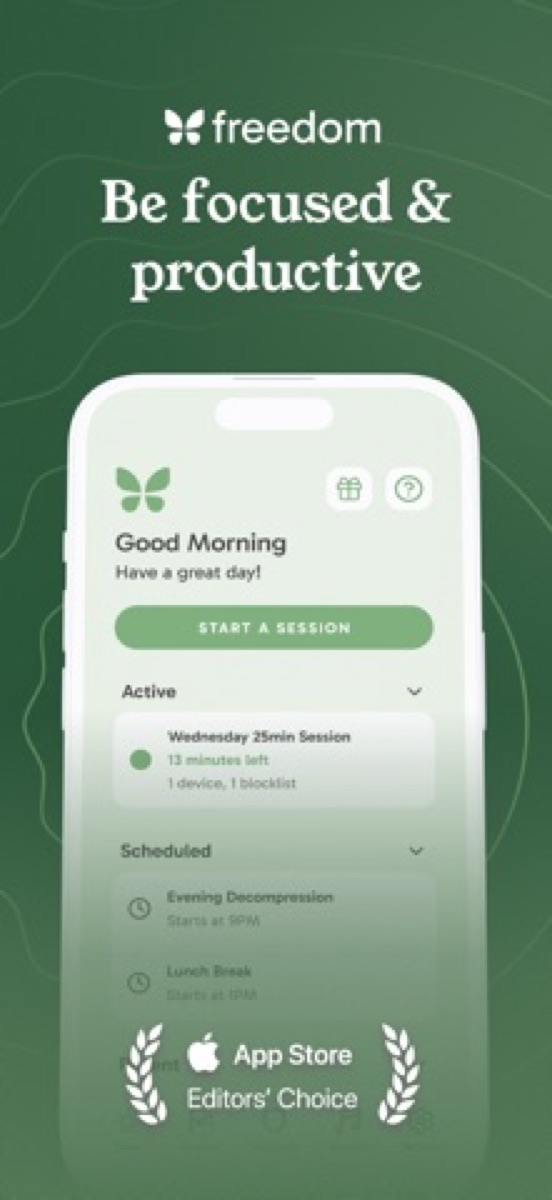
One blocklist across Mac, Windows, phone, and browser—start a session and the same sites stay off everywhere.


Freedom
Freedom.to
One blocklist across Mac, Windows, phone, and browser—start a session and the same sites stay off everywhere.
Freedom blocks distracting sites and apps on a schedule, and it can do it across your devices at once. That beats relying on willpower at 2 PM.
What to try: Pick a 90-minute block each morning, block messaging and news, and do the hardest thing first. Our guide to the best app blockers compares the options.
5. Noise and open-plan chaos
Overheard speech is hard to ignore. Your brain is built to process language, so a nearby conversation pulls at you even when you don't want it to. In shared offices and busy homes, that costs focus all day.
-
Loop Engage 2
Loop Earplugs
Filters office buzz while keeping speech clearer—helpful in open plans when you still need to hear people.



Loop Engage 2
Loop Earplugs
Filters office buzz while keeping speech clearer—helpful in open plans when you still need to hear people.
Loop Engage 2 earplugs turn the background down without cutting you off from the people around you. They're a decent middle ground for coworking spaces and busy kitchens.
What to try: Reduce the noise physically, with earplugs or headphones, before you try to out-concentrate it.
6. Long COVID
Brain fog is one of the most commonly reported symptoms of Long COVID: trouble finding words, memory slips, mental fatigue.
A large study in the New England Journal of Medicine (Hampshire and colleagues, 2024) assessed more than 100,000 people and found measurable differences in memory, reasoning and executive tasks among those with persistent post-COVID symptoms. If your focus problems began after an infection, tell your doctor.
What to try: Don't push through crashes. Pace your mental effort with scheduled rest, and ask your doctor about a referral to a post-COVID clinic.
7. Perimenopause
For women in their forties and early fifties, new focus trouble is often hormonal. In the SWAN study, published in Neurology in 2009, researchers followed women through the menopause transition and found temporary dips in learning and processing speed during perimenopause. Performance recovered after the transition.
Plenty of women describe it as thinking through molasses. Knowing it's common, and usually temporary, helps.
What to try: Keep a simple log of your cycle, sleep and symptoms for a few weeks, and bring it to a doctor. Hormonal and non-hormonal options exist.
8. Thyroid problems
Your thyroid helps set your body's pace. When it's underactive (hypothyroidism), everything can slow down, including thinking. The American Thyroid Association's hypothyroidism guidelines list slowed thinking among the well-known signs, alongside dry skin, cold intolerance and weight gain, and note that symptoms often creep in gradually.
That slow build is the problem. Many people write it off as aging or laziness.
What to try: Ask your primary care doctor for a thyroid blood test, usually TSH, with free T4 if it's abnormal.
9. Low iron
Iron does more than carry oxygen. Low stores can leave you wiped out well before you're technically anemic.
A randomized trial in the Canadian Medical Association Journal (Vaucher and colleagues, 2012) gave iron or placebo to 198 women with unexplained fatigue, ferritin below 50 µg/L and normal hemoglobin. After 12 weeks, fatigue scores dropped more with iron than with placebo. The study measured fatigue, not focus, so don't read it as "iron fixes concentration." But if you're exhausted and foggy, it's a cheap thing to check.
What to try: Ask your doctor to check ferritin, not only a basic blood count. Don't self-supplement without testing.
10. Alcohol and cannabis
A drink or two to unwind can cost you the next day. A review in Alcoholism: Clinical and Experimental Research (2013) found alcohol shortens the time it takes to fall asleep but disrupts the second half of the night and reduces REM sleep.
Cannabis has its own cognitive side. A systematic review in Biological Psychiatry (2016) covered both acute and chronic effects on cognition, with attention, learning and memory among the areas affected. How much depends on dose, frequency and timing.
What to try: Take thirty days off evening alcohol and cannabis and see what your baseline feels like.
11. Medication side effects
Many medicines can dull your thinking. First-generation antihistamines like diphenhydramine are well known for causing drowsiness, and they show up in allergy pills and "PM" sleep aids. Others that sometimes cause fogginess include certain muscle relaxants, beta blockers and older antidepressants.
What to try: Take a list of everything you use, including over-the-counter products, to your pharmacist and ask which could affect concentration. Don't stop a prescription on your own.
Does your desk setup matter?
A bit. Glare, harsh overhead light and a bright screen in a dark room make your eyes work harder, and tired eyes feel a lot like a tired brain.
-
BenQ ScreenBar Halo
BenQ
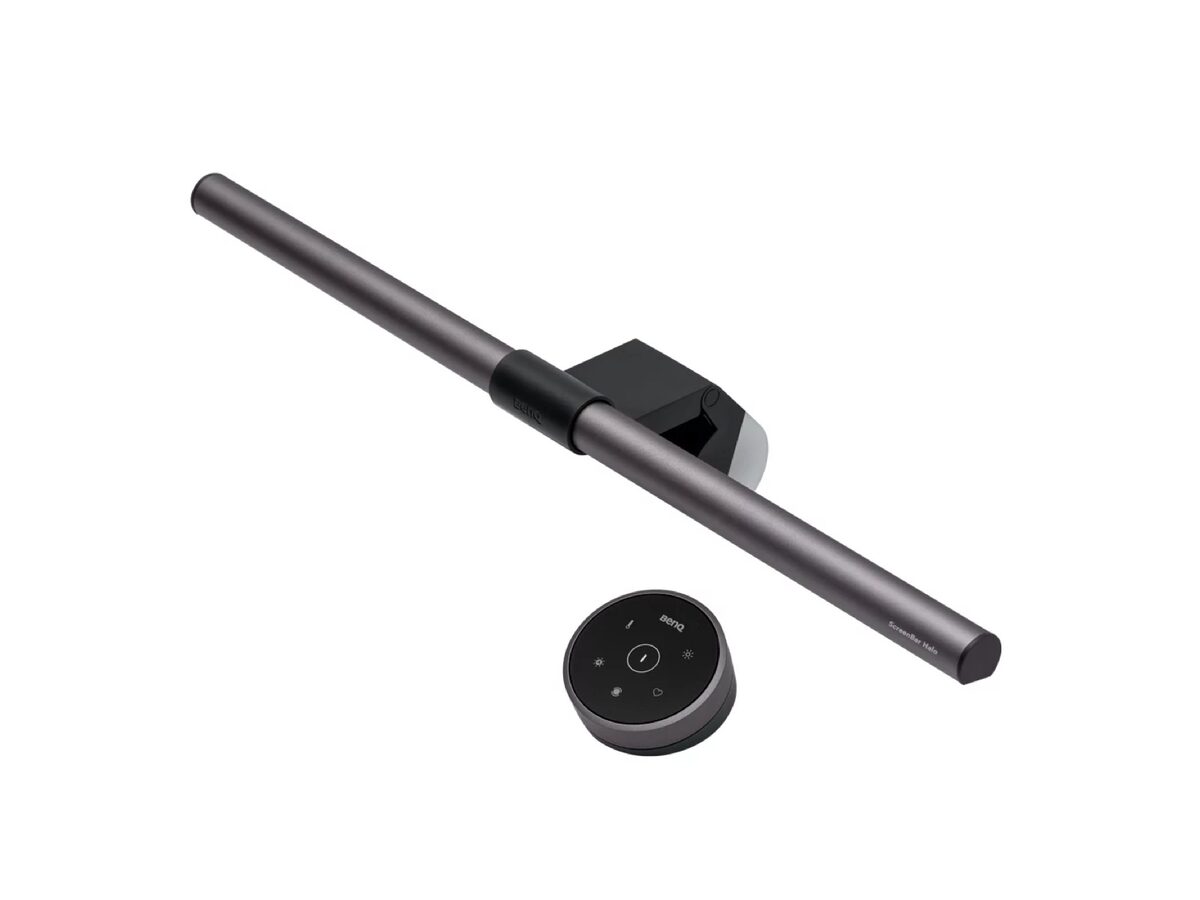
Monitor-mounted light lights the desk—not the screen—so late sessions are easier on tired eyes.
BenQ ScreenBar Halo
BenQ
Monitor-mounted light lights the desk—not the screen—so late sessions are easier on tired eyes.
The BenQ ScreenBar Halo sits on top of your monitor and lights the desk without throwing glare on the screen. It also has a back light to soften the contrast between a bright monitor and a dark wall.
Then there's water. In a small British Journal of Nutrition study (Ganio and colleagues, 2011), 26 young men became mildly dehydrated, about 1.5 percent of body mass, through exercise in a warm room, sometimes with a diuretic. Their performance on some cognitive tasks and their mood got worse. It was a small, all-male study, so don't over-read it. But keeping water at your desk costs nothing.
When to see a doctor about focus problems
Most focus problems ease once you fix sleep, cut interruptions and deal with stress. Some don't, and some are warning signs. See a doctor soon if trouble concentrating comes with any of these:
- A sudden drop in memory or concentration over days or weeks
- Numbness, weakness or loss of balance
- Headaches that wake you or keep getting worse
- Slurred speech or trouble finding words
- Double vision or blind spots
- Unexplained weight loss, night sweats or fever
NICE, the UK's health guidance body, has published guidance on recognizing and referring suspected neurological conditions, including headaches and memory problems. It's written for clinicians, but it shows how seriously these combinations are taken.
For slower, lingering problems, book a regular appointment. Ask about routine tests: a blood count, ferritin, a thyroid panel, a metabolic panel, and vitamin B12 and D levels. Ruling out the physical causes first is the sensible move.
FAQ
Why did my ability to focus suddenly disappear?
A sudden change over days or weeks usually points to something physical or situational, not ADHD. Common candidates are acute stress, recovery from an infection, sleep loss, a new medication or a thyroid problem. See a doctor to rule out medical causes.
Can vitamin deficiencies cause brain fog and poor concentration?
They can contribute. Low iron, B12 and vitamin D are common suspects, and a routine blood test can check them. Don't start high-dose supplements without testing first, since more isn't always better.
How long does it take for focus to recover after chronic sleep deprivation?
It varies. Recovering from weeks of short sleep usually takes more than one good night. The Van Dongen study included recovery nights, but your own timeline depends on how much sleep you lost and for how long. A steady schedule of enough sleep for a week or two is a reasonable test.
Does brain fog mean I'm developing early dementia?
Almost certainly not, especially if you're under 60. Stress, sleep debt, depression, hormonal changes and digital overload are far more common explanations. If memory problems are getting worse or affecting daily life, ask your doctor for a proper evaluation.
Sources
- Cumulative Cost of Additional Wakefulness: Dose-Response Effects on Neurobehavioral Functions and Sleep Physiology From Chronic Sleep Restriction and Total Sleep Deprivation (opens in a new tab) – Sleep, 2003
- Cognition and Memory after Covid-19 in a Large Community Sample (opens in a new tab) – New England Journal of Medicine, 2024
- Effects of the menopause transition and hormone use on cognitive performance in midlife women (opens in a new tab) – Neurology, 2009
- Effect of iron supplementation on fatigue in nonanemic menstruating women with low ferritin: a randomized controlled trial (opens in a new tab) – Canadian Medical Association Journal, 2012
- Alcohol and sleep I: effects on normal sleep (opens in a new tab) – Alcoholism: Clinical and Experimental Research, 2013
- Acute and Chronic Effects of Cannabinoids on Human Cognition: A Systematic Review (opens in a new tab) – Biological Psychiatry, 2016
- Guidelines for the Treatment of Hypothyroidism: Prepared by the American Thyroid Association Task Force on Thyroid Hormone Replacement (opens in a new tab) – Thyroid, 2014
- Mild dehydration impairs cognitive performance and mood of men (opens in a new tab) – British Journal of Nutrition, 2011
- Suspected neurological conditions: recognition and referral (opens in a new tab) – National Institute for Health and Care Excellence (NICE), 2021
- Major depressive disorder is associated with broad impairments on neuropsychological measures of executive function: A meta-analysis and review (opens in a new tab) – Psychological Bulletin, 2013
This guide is general information, not medical advice. If focus problems are getting in the way of work, school, or relationships, talk with a doctor or licensed clinician.